
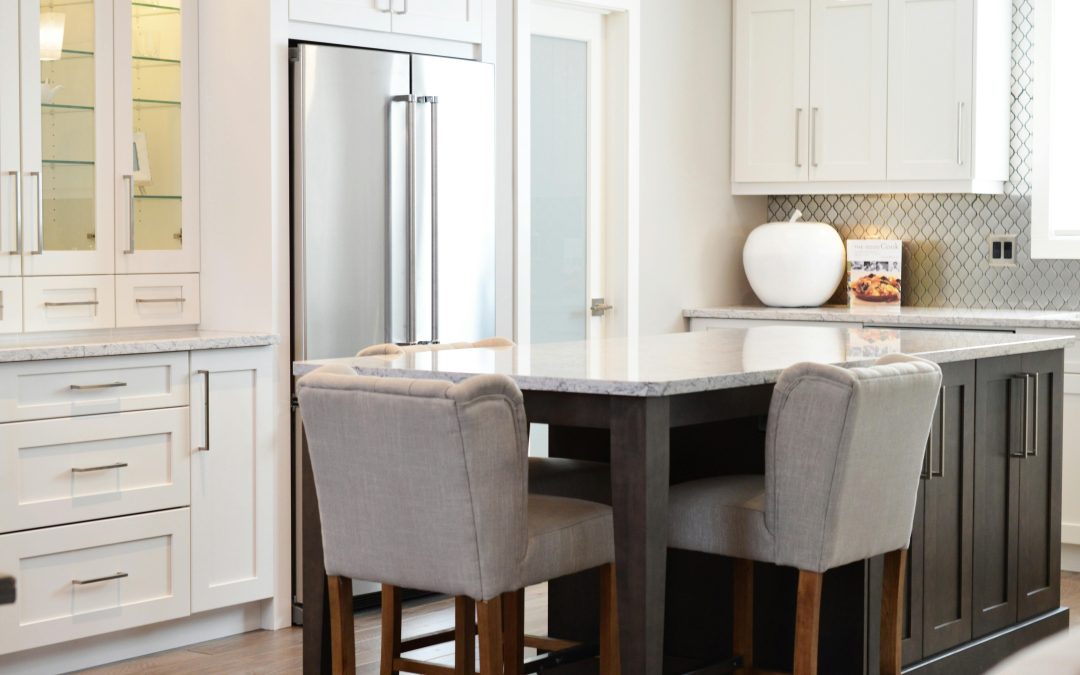
So you’re standing in your kitchen, coffee in hand, and you suddenly notice it: the finish on your cabinet door is starting to bubble, crack, or peel. You’re not imagining things. You might be thinking, my kitchen cabinets are peeling what can I do? First of all, take a deep breath. You’re not alone and the good news is, in most cases, this is totally fixable without a full kitchen remodel.
Peeling cabinets are a pretty common issue in both older homes and newer kitchens, especially if the cabinets are made with laminate or have been painted. Humidity, heat, moisture, and poor application are usually the culprits. But figuring out the cause is step one in stopping the problem from getting worse.
Why Are My Kitchen Cabinets Peeling?
Let’s start with what’s likely causing the peeling in the first place. Here are the most common reasons:
- Heat and steam exposure from cooking without proper ventilation
- Moisture buildup, especially near sinks and dishwashers
- Low-quality adhesive in thermofoil or laminate cabinets
- Improper paint prep if they were painted without sanding or priming
- Aging materials that naturally wear down over time
According to a report by the National Kitchen & Bath Association (NKBA), over 60% of homeowners cite moisture and heat as the leading causes of cabinet finish problems, especially in high-use kitchens.
If your cabinets are peeling around the stove or sink, chances are the issue is heat or steam. If it’s happening on random doors or drawer fronts, poor adhesive or paint prep might be to blame.
How to Fix Peeling Kitchen Cabinets
Now let’s talk about what you can actually do about it. The fix depends on how serious the damage is and what your cabinets are made of.
1. For Thermofoil or Laminate Cabinets
These are often made of MDF (medium-density fiberboard) with a thin vinyl layer glued on top. When that vinyl peels, it can look messy fast.
What you can do:
- Re-glue it: If it’s just starting to peel, you can gently peel it back a bit, apply a strong contact cement or wood glue, press it flat, and clamp it down until it sets.
- Replace the vinyl wrap: If large sections are coming off or bubbling, you might need to remove the peeling layer completely and either rewrap it or paint the surface.
- Replace the doors: In some cases, it’s more cost-effective to just replace the door fronts than to repair them. Many companies offer cabinet door replacements that fit your existing boxes.
2. For Painted Wood or MDF Cabinets
If the paint is flaking or bubbling, it probably wasn’t properly prepped or sealed.
What you can do:
- Sand and repaint: Lightly sand the peeling area until smooth, clean it with a degreaser, then use a primer before repainting. Make sure to use kitchen-friendly, moisture-resistant paint.
- Use a paint touch-up kit: For small chips or peels, a touch-up kit can be a quick fix that blends in nicely.
Tip: Always let the surface fully dry before painting. Rushing this step can lead to more peeling down the road.
3. If Cabinets Are Swollen or Damaged
Unfortunately, if moisture has gotten into the MDF or wood beneath the surface and caused swelling or warping, it may not be salvageable. In that case, replacement is usually the best option.
How to Prevent Future Peeling
Once you’ve fixed the problem, you’ll want to make sure it doesn’t come back. Here are a few tips to help protect your cabinets:
- Use your range hood every time you cook to reduce steam buildup
- Wipe spills and splashes quickly to avoid moisture sitting on surfaces
- Keep humidity in check with proper ventilation or a small dehumidifier
- Avoid harsh cleaners that can wear down paint or adhesive layers
- Gently open and close cabinets to reduce wear and tear on edges
Regular maintenance can go a long way in keeping your kitchen looking fresh.
Can I Do This Myself or Should I Call a Pro?
If the peeling is minor and you’re comfortable with a bit of DIY, you can probably handle the repair on your own. There are lots of helpful tutorials online, and most tools like sandpaper, primer, and wood glue are affordable and easy to use.
But if the problem is widespread or your cabinets are showing signs of deep damage, it’s worth getting a second opinion from a carpenter or cabinet repair specialist. They’ll be able to assess whether a repair or full replacement is the better option long-term.
Final Takeaway: Don’t Panic, Just Take Action
If you’ve been asking yourself, my kitchen cabinets are peeling what can I do, the answer is: more than you might think. Most peeling cabinet issues are cosmetic and can be fixed with a little time and effort. Identifying the cause, whether it’s steam, poor adhesive, or old paint, is the first step. From there, you can patch it up or even give your cabinets a mini makeover.
And remember, every kitchen gets a little wear and tear over time. A few touch-ups here and there are completely normal. The key is staying on top of the problem before it spreads. With the right fix and a little care, your cabinets will be looking good as new in no time.