
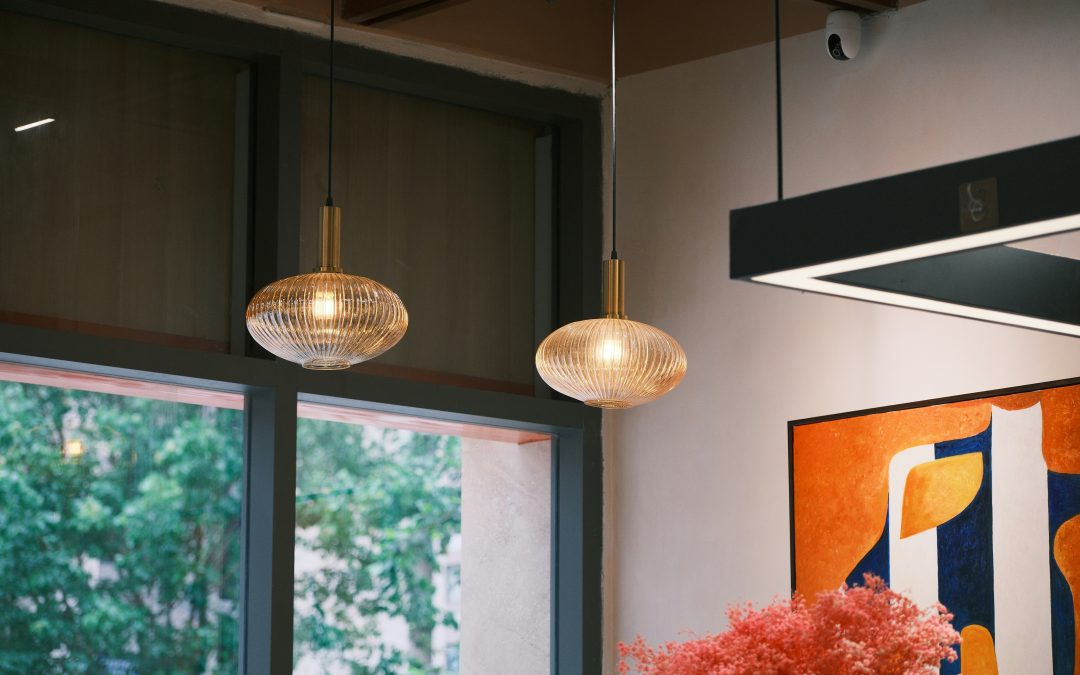
When it comes to home design, lighting is one of the most powerful tools you can use to transform a space. Auxiliary lights for modern house interiors and exteriors are not just about visibility, they are about mood, energy efficiency, and adding a touch of sophistication. From warm under-cabinet lights to sleek outdoor wall fixtures, these lights create layers of brightness that make your home both practical and stylish.
What Are Auxiliary Lights in Home Design
Auxiliary lights are secondary light sources that support the main lighting in your home. While ceiling fixtures or chandeliers often serve as the primary lights, auxiliary options add depth and flexibility. Some common examples include:
- Wall sconces that highlight artwork or architectural details
- Recessed lights for soft ceiling or wall accents
- Under-cabinet lights in kitchens for extra workspace visibility
- LED strip lights along stairs, mirrors, or shelving
- Outdoor pathway and garden lights for security and charm
Instead of overwhelming a room with one bright source, auxiliary lighting creates a layered effect that feels balanced and inviting.
Why Auxiliary Lights Matter in a Modern House
Lighting is often called the jewelry of interior design, and it is easy to see why. According to the American Lighting Association, layered lighting can improve functionality, increase comfort, and even influence mood. In modern houses, where open layouts and minimalistic designs are common, auxiliary lights play a crucial role in creating cozy and functional spaces.
Here are a few reasons they matter:
- Enhanced ambiance – Soft lights in corners or under shelves add warmth.
- Task lighting – Focused beams make cooking, studying, or reading easier.
- Energy efficiency – LED auxiliary lights consume far less power.
- Safety – Staircase or pathway lights reduce accidents.
- Style upgrade – Fixtures double as décor, adding elegance to modern homes.
Where to Use Auxiliary Lights in Your Home
Modern houses benefit from strategic lighting placement. If you are unsure where to start, consider these common areas:
- Living Room – Use wall sconces or recessed lights to highlight shelves or artwork.
- Kitchen – Under-cabinet LED strips brighten counters without harsh overhead glare.
- Bedroom – Bedside wall lamps or hidden cove lights provide cozy reading spots.
- Bathroom – Mirror lighting reduces shadows and adds a luxury spa vibe.
- Outdoors – Garden path lights, deck lights, and motion-sensor fixtures improve security and beauty.
The key is balance. Mix functional lighting with decorative elements so your home looks stylish while still serving everyday needs.
Choosing the Right Auxiliary Lights
Picking the right auxiliary lights for modern house design depends on your personal taste, budget, and the room’s function. Here are a few tips:
- Go for LEDs – They last longer, save energy, and are available in warm or cool tones.
- Match the style – Sleek metallic fixtures suit contemporary homes, while rustic finishes fit farmhouse designs.
- Use dimmers – Adjustable lighting lets you switch from bright task light to soft ambiance in seconds.
- Think about placement – Lights should complement, not compete, with your main fixtures.
If you want versatility, smart lighting systems are worth exploring. They allow you to control brightness and color with a phone or voice command, which is perfect for modern living.
Final Thoughts
Auxiliary lights for modern house interiors and exteriors are more than just decorative extras. They add warmth, safety, and efficiency while highlighting the beauty of your home. Whether you want soft bedroom glow, bright kitchen counters, or inviting outdoor spaces, the right auxiliary lights can make a world of difference.
Start with one room at a time and think about the role lighting plays in that space. With the right approach, you will not only brighten your home but also elevate its style and comfort.