
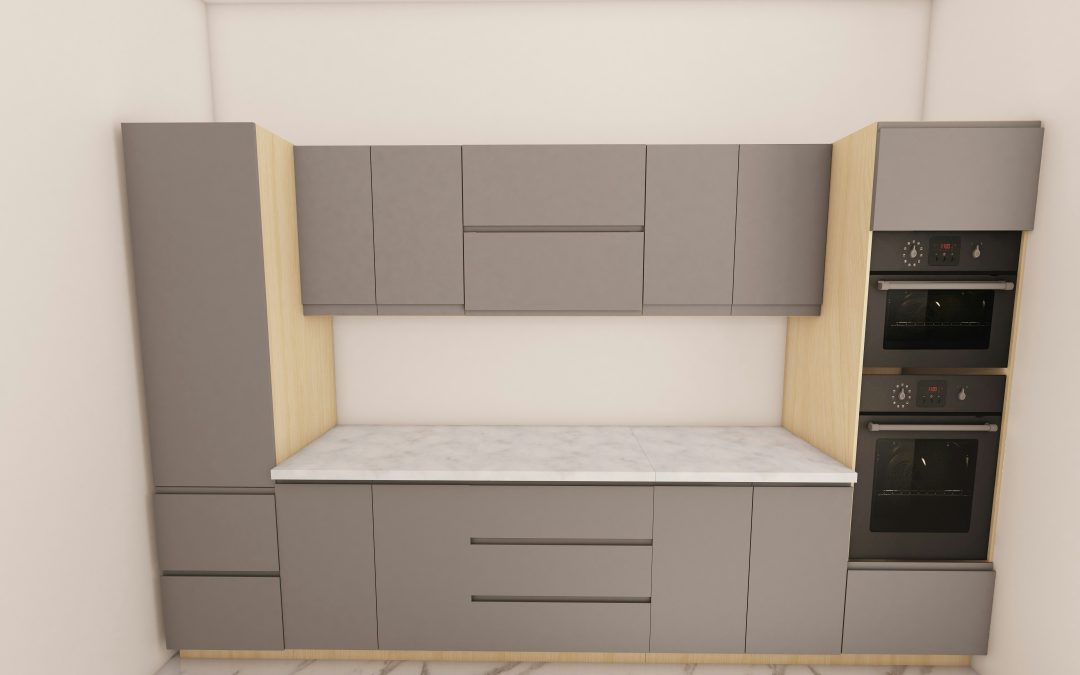
If you’re planning a kitchen remodel or new interior project, chances are you’ve come across acrylic cabinets. Known for their glossy finish, contemporary look, and incredible durability, acrylic cabinets have become one of the most popular choices for modern homes. Whether you’re a homeowner aiming for a stylish upgrade or a designer exploring the latest materials, this guide breaks down everything you need to know about acrylic cabinets — from how they’re made to their pros, cons, and maintenance tips.
What Are Acrylic Cabinets?
Acrylic cabinets are made by applying an acrylic sheet — a type of high-quality plastic — over MDF, HDF, or plywood panels. The result is a mirror-like, high-gloss surface that gives kitchens a clean, polished, and luxurious appearance.
Acrylic is a non-toxic, UV-resistant material that doesn’t lose its shine or color easily. Unlike laminate or paint finishes, it reflects light beautifully, making small kitchens look larger and more open.
In simple terms, acrylic cabinets are like the “glass finish” of the cabinet world — elegant, bright, and irresistibly smooth to the touch.
Why Acrylic Cabinets Are Gaining Popularity
Over the past few years, acrylic has become a top trend in modular kitchen design. According to a 2024 report by Houzz Kitchen Trends Study, more than 40% of homeowners prefer high-gloss finishes, and acrylic tops the list for both aesthetics and durability.
Designers love acrylic for its versatility — it blends well with other materials like wood veneer, matte laminates, and even stainless steel, creating endless design possibilities.
Types of Acrylic Cabinets
When it comes to acrylic cabinets, there are two main types based on how the acrylic layer is applied.
1. Acrylic Faced Cabinets
In this type, thin sheets of acrylic (usually 1mm thick) are glued to an MDF or HDF board using strong adhesives. This version is more affordable but still offers the glossy, reflective look homeowners love.
2. Solid Acrylic Cabinets
Solid acrylic cabinets are made entirely of acrylic sheets without any substrate. These are more expensive but offer unmatched depth, shine, and color consistency. They also resist fading better over time.
If you’re looking for a high-end finish that truly stands out, solid acrylic is the premium choice.
Benefits of Acrylic Cabinets
There’s a reason why acrylic has taken over modern kitchens. Here are its top advantages:
High Gloss Finish
Acrylic cabinets deliver a mirror-like shine that instantly elevates your space. They reflect light beautifully, making your kitchen feel larger, brighter, and more sophisticated.
Scratch and Moisture Resistance
Acrylic is known for its toughness. It resists moisture, minor scratches, and everyday wear — perfect for kitchens where spills and splashes are common.
Easy to Clean
Unlike matte finishes that trap dust or fingerprints, acrylic’s smooth surface makes cleaning simple. Just wipe with a microfiber cloth and mild soap, and it looks brand new again.
Long-Lasting Shine
The surface doesn’t fade or dull over time. Even after years of use, acrylic cabinets maintain their original luster, which is a huge plus for long-term homeowners.
Variety of Colors
From crisp white and jet black to bold red and sapphire blue, acrylic comes in a wide color palette. This makes it easy to match with countertops, backsplashes, and flooring.
Drawbacks to Consider
While acrylic cabinets are stunning, they’re not without a few downsides.
Fingerprint Marks and Dust Visibility
The glossy surface tends to show fingerprints, smudges, and dust more easily than matte finishes. Regular cleaning is key to maintaining the shine.
Cost
Acrylic is generally more expensive than laminates or membrane finishes. However, its durability and luxurious look often justify the price.
Color Matching Issues
When replacing or expanding existing cabinetry, matching the exact acrylic shade can be tricky since the reflective nature of the surface changes slightly with light.
Acrylic Cabinets vs. Laminate Cabinets
It’s common to confuse acrylic with laminate, but they’re quite different.
| Feature | Acrylic Cabinets | Laminate Cabinets |
|---|---|---|
| Finish | High-gloss and reflective | Available in matte, textured, or glossy |
| Durability | Highly durable, UV-resistant | Moderate, depends on quality |
| Cost | More expensive | More affordable |
| Maintenance | Easy to clean, shows fingerprints | Low maintenance, hides dust better |
| Appearance | Luxurious and modern | Versatile and practical |
If your goal is a premium, high-end look, acrylic cabinets win hands down. But if you’re on a tighter budget, laminate might be the better fit.
How to Maintain Acrylic Cabinets
Acrylic cabinets are low-maintenance but benefit from regular care. Here’s how to keep them looking flawless:
- Use a soft cloth: Avoid abrasive sponges or harsh chemicals.
- Clean spills immediately: Acrylic resists moisture but can stain if liquids sit too long.
- Avoid direct heat: Keep toasters or ovens slightly away to prevent surface warping.
- Polish occasionally: Use a non-abrasive polish designed for acrylic to maintain its sheen.
These small steps will keep your kitchen looking as good as new for years.
Ideal Spaces for Acrylic Cabinets
Acrylic isn’t just for kitchens. Designers are now using it in wardrobes, TV units, vanities, and even office furniture for that sleek, contemporary look. However, it truly shines in modular kitchens where lighting enhances its reflective finish.
For best results, combine acrylic upper cabinets with matte or wooden lower units to create a balanced and warm aesthetic.
Final Thoughts
Acrylic cabinets bring a modern, elegant touch to any space. Their glossy, reflective finish and long-lasting durability make them a favorite among homeowners who value both style and substance. While they require a bit more care and come at a higher cost, the end result is a timeless, luxurious kitchen that stays beautiful for years.
If you’re planning a kitchen upgrade and want that magazine-worthy finish, acrylic might just be the perfect choice.