
Choosing the right countertop is one of the most important decisions in any kitchen remodel. The surface you choose not only defines the room’s style but also determines how durable and functional your kitchen will be for years to come. Two of the most popular options homeowners consider are quartz countertops and Corian countertops.
Both materials offer sleek, modern looks and a wide range of color options, but they differ in durability, maintenance, and performance. In this guide, we’ll compare quartz and Corian in detail while showing why quartz often comes out on top for most homeowners.
Understanding Quartz and Corian
Before comparing, it helps to understand what each material actually is.
What Is Quartz?
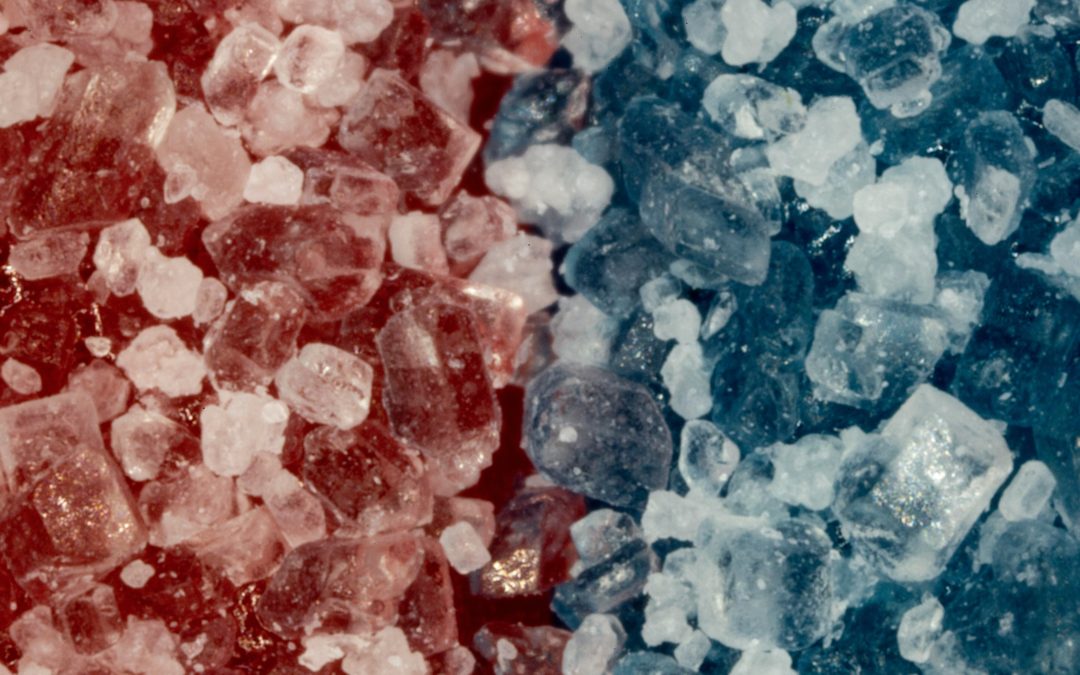
Quartz countertops are engineered stone surfaces made from about 90 to 95 percent crushed natural quartz crystals combined with resin and color pigments. This mix creates a hard, nonporous, and durable slab that mimics the look of natural stone such as granite or marble without the maintenance issues.
Quartz is known for being ultra-durable, scratch-resistant, and heat-resistant, making it ideal for busy kitchens. It also has a glossy, polished finish that reflects light beautifully and adds a luxurious feel.
What Is Corian?
Corian is a solid surface material created by DuPont. It’s made from a blend of acrylic polymer and natural minerals. Unlike quartz, Corian is fully synthetic and can be molded into seamless shapes for sinks and backsplashes.
Corian’s biggest strengths are its smooth, consistent look and ability to form seamless joins. However, it’s softer and less heat-resistant than quartz, which means it can scratch or scorch more easily.
Appearance and Style
Both quartz and Corian offer extensive color and pattern choices, but their visual appeal differs.
Quartz often replicates the look of natural stone, featuring veining and speckles that give it a rich, organic appearance. You can choose from subtle, uniform tones to dramatic marble-like designs. The material’s depth and shine add elegance to modern and traditional kitchens alike.
Corian, on the other hand, has a more uniform and matte look. While it comes in many colors, its finish is smoother and flatter. It lacks the natural sparkle and variation that quartz provides.
Verdict: Quartz wins for aesthetic variety and a more luxurious, natural look.
Durability and Strength
When it comes to longevity, quartz is one of the toughest countertop materials available. Its composition makes it harder and denser than Corian, meaning it can withstand everyday wear without showing signs of damage.
Quartz resists knife marks and heavy cookware scratches much better than Corian. It can tolerate brief contact with hot pans, while Corian may scorch or discolor if exposed to high heat. Quartz is also less likely to chip or crack under impact due to its hardness.
Corian is more prone to dings, scratches, and heat marks, though minor surface damage can often be sanded out. However, this repairability doesn’t make up for its softness in the long run.
Verdict: Quartz clearly outperforms Corian in durability.
Maintenance and Cleaning
Both materials are nonporous, meaning they resist stains, bacteria, and moisture. That makes them easy to clean—just wipe with mild soap and water.
However, quartz has a key advantage: it requires zero sealing or polishing, while maintaining its shine for years. Corian may need periodic polishing to maintain its smoothness and luster, especially in high-use areas.
Verdict: Both are low-maintenance, but quartz stays newer-looking for longer.
Seams and Installation
Corian’s biggest design advantage is its ability to form seamless surfaces. The joints between slabs are nearly invisible, which creates a sleek, continuous look, especially for integrated sinks or large kitchen islands.
Quartz, being denser and heavier, usually requires seams during installation, especially for long counters. However, professional installers can minimize seam visibility by carefully matching patterns and colors.
Verdict: Corian wins slightly for seamlessness, but quartz’s natural beauty often outweighs this minor difference.
Heat and Stain Resistance
Heat and stain performance are two areas where quartz shines. Quartz can handle temperatures up to around 300°F without damage. Corian, made with acrylic, can warp or scorch from direct heat exposure. Always use trivets for both, but quartz provides more peace of mind.
Quartz’s resin-bound surface prevents spills like wine, coffee, or oil from penetrating. Corian also resists stains but may show discoloration over time with repeated exposure to heat or harsh cleaners.
Verdict: Quartz offers better long-term resistance to heat and stains.
Cost Comparison
In general, Corian is slightly less expensive than quartz. Corian countertops usually cost between $45 to $75 per square foot installed, while quartz typically ranges from $60 to $120 per square foot, depending on brand and style.
However, quartz’s higher upfront cost often pays off in durability and resale value. Homebuyers tend to associate quartz with luxury, making it a strong selling point. Corian, while functional, doesn’t carry the same premium perception.
Verdict: Corian is cheaper, but quartz offers better long-term value.
Repair and Longevity
One advantage Corian has is that small scratches or burns can be sanded and refinished. However, deeper damage or heat marks can be harder to repair without visible results.
Quartz, while harder to scratch, is not easily repairable if damaged—but it’s far less likely to need repairs in the first place. Most quartz countertops last 15 to 25 years or more, often outliving Corian by a wide margin.
Verdict: Quartz is tougher and lasts longer with less maintenance.
Eco-Friendliness
If sustainability matters, both options can be eco-conscious depending on the manufacturer. Some quartz brands use recycled materials, while Corian is recyclable and repairable. However, quartz’s long life span makes it the more sustainable investment overall.
Which One Should You Choose?
When comparing quartz countertops vs Corian, the right choice depends on your priorities—but for most homeowners, quartz is the superior option.
Choose Quartz If You Want
- Maximum durability and scratch resistance
- A luxurious, natural-stone look
- Higher resale value
- Minimal maintenance and long-term performance
Choose Corian If You Want
- Seamless, modern surfaces
- More affordable installation
- A softer, matte aesthetic for contemporary designs
However, if you cook often, value long-term durability, or want to elevate your kitchen’s design, quartz offers the best balance of beauty, resilience, and practicality.
Final Thoughts
Both quartz and Corian are excellent choices for stylish, easy-to-maintain countertops. Corian offers flexibility and affordability, but quartz leads in durability, heat resistance, and natural beauty. If you want a surface that looks stunning for decades and can handle the daily demands of a busy kitchen, quartz countertops are the clear winner.