
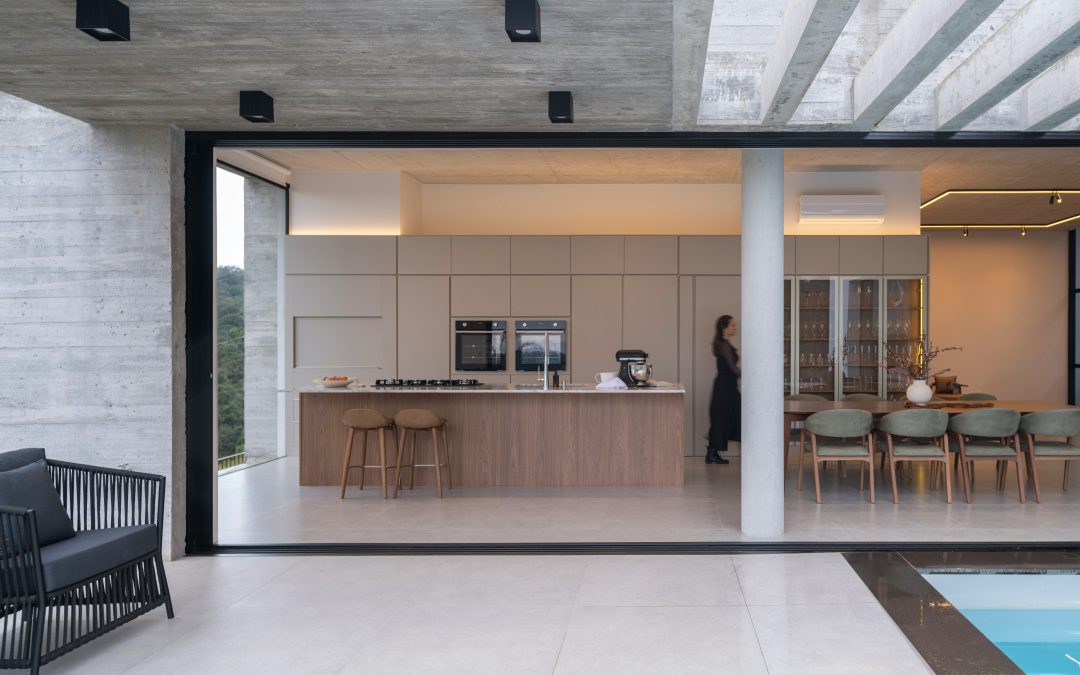
Designing an outdoor kitchen is an exciting project, and choosing the right countertop material is one of the most important decisions you’ll make. When considering countertops for outdoor kitchens, you’re looking for a surface that can handle the elements—sun, rain, humidity, and heat from grills—while still looking stylish and staying easy to maintain. The perfect material balances durability, design, and practicality.
Why Outdoor Countertops Need Special Attention
Outdoor kitchens face far more environmental stress than indoor ones. Countertops have to withstand direct sunlight, rain, frost, and sometimes extreme heat. Regular kitchen materials like laminate or standard quartz might not hold up outdoors—they can fade, warp, or crack. That’s why your outdoor kitchen needs surfaces that are specifically designed or tested for exterior use.
Choosing the right countertop means considering these key factors:
- Weather resistance: Can it handle UV rays, moisture, and temperature changes?
- Heat resistance: Will it crack or discolor when near a grill or hot cookware?
- Maintenance: How often does it need sealing or cleaning?
- Aesthetic appeal: Does it complement your home and outdoor décor?
Top Countertop Materials for Outdoor Kitchens
1. Granite
Granite is a classic and dependable option for outdoor kitchens. Its natural durability and resistance to heat make it ideal for cooking spaces exposed to sunlight and grills.
Pros:
- Resists heat and scratching
- Beautiful range of natural colors and patterns
- Stays sturdy in changing weather
Cons:
- Requires sealing every few years to prevent staining
- Dark colors can absorb heat in direct sunlight
If you want a timeless look and minimal upkeep, granite remains one of the best all-around choices.
2. Quartzite
Quartzite looks elegant like marble but performs far better outdoors. It’s a natural stone, not to be confused with engineered quartz, which can fade under UV exposure.
Pros:
- Extremely durable and UV resistant
- Natural variations add unique character
- Handles outdoor temperatures well
Cons:
- Needs sealing to prevent moisture absorption
- Costs more than granite in some areas
For homeowners who want a luxurious appearance without high maintenance, quartzite delivers both resilience and sophistication.
3. Porcelain Slabs
Porcelain countertops have become one of the top choices for modern outdoor kitchens. They’re manufactured to be dense, non-porous, and resistant to heat and fading.
Pros:
- Weatherproof and stain-resistant
- UV and heat resistant—won’t fade or discolor
- Lightweight and available in large slab formats
Cons:
- Can chip on the edges if struck
- Installation requires professional expertise
Porcelain is perfect if you prefer sleek, contemporary designs with minimal upkeep. It can even mimic marble or concrete textures for a high-end look.
4. Concrete
For a custom and industrial-inspired design, concrete is a bold and practical choice. It can be poured and shaped to fit your exact outdoor layout, including integrated sinks or curved edges.
Pros:
- Customizable design and texture
- Handles heat well
- Durable when properly sealed
Cons:
- Prone to cracking if not reinforced
- Needs sealing and occasional maintenance
With pigments, finishes, and decorative aggregates, you can create a truly unique look that matches your outdoor décor.
5. Soapstone
Soapstone’s smooth, matte texture and natural warmth make it an elegant outdoor option. It’s non-porous, which means it resists stains and water damage.
Pros:
- Low maintenance
- Excellent heat resistance
- Naturally resistant to bacteria and moisture
Cons:
- Can scratch more easily than granite or quartzite
- Color range is limited (typically gray to black)
Soapstone works especially well for rustic, coastal, or modern minimalist outdoor kitchens.
Materials to Avoid
Not every material used indoors can transition outdoors successfully. These materials often cause problems over time:
- Laminate: Warps or peels under heat and moisture.
- Marble: Easily etched or stained by outdoor elements.
- Engineered quartz: The resins in quartz can yellow or degrade under UV exposure.
- Butcher block wood: Absorbs moisture and expands unless heavily sealed and maintained.
Avoiding these will save you costly repairs and replacements later.
Design and Practical Tips
Match Your Style
Choose countertops that blend seamlessly with your home’s exterior. If your house has brick or stucco finishes, go for earthy tones like beige, taupe, or stone gray. For contemporary homes, polished concrete or porcelain with a matte black finish looks striking.
Consider Location
- Covered spaces: You can use materials like quartzite or concrete.
- Open areas: Go for UV-resistant materials such as granite or porcelain.
If your kitchen is near a pool or garden, lighter tones can reflect sunlight and keep surfaces cooler.
Think About Function
Plan zones for prepping, serving, and cooking. For example, use durable granite around the grill and a decorative surface like quartzite for the serving bar. This mix balances beauty and function.
Maintenance Routine
Keeping your countertops in top condition doesn’t require much effort—just consistency:
- Wipe surfaces after each use with mild soap and water.
- Reseal porous materials every 1–3 years.
- Avoid acidic cleaners or bleach, which can damage natural finishes.
- Use trivets and cutting boards to protect the surface from scratches and heat.
Final Thoughts
When it comes to countertops for outdoor kitchens, durability is just as important as design. Granite, quartzite, porcelain, and concrete are the best choices for long-term performance and aesthetic appeal. Each material offers unique advantages, from the elegance of natural stone to the sleek resilience of porcelain.
By investing in the right countertop, you’re not just upgrading your outdoor space—you’re creating a functional and inviting area where you can cook, entertain, and relax for years to come.