
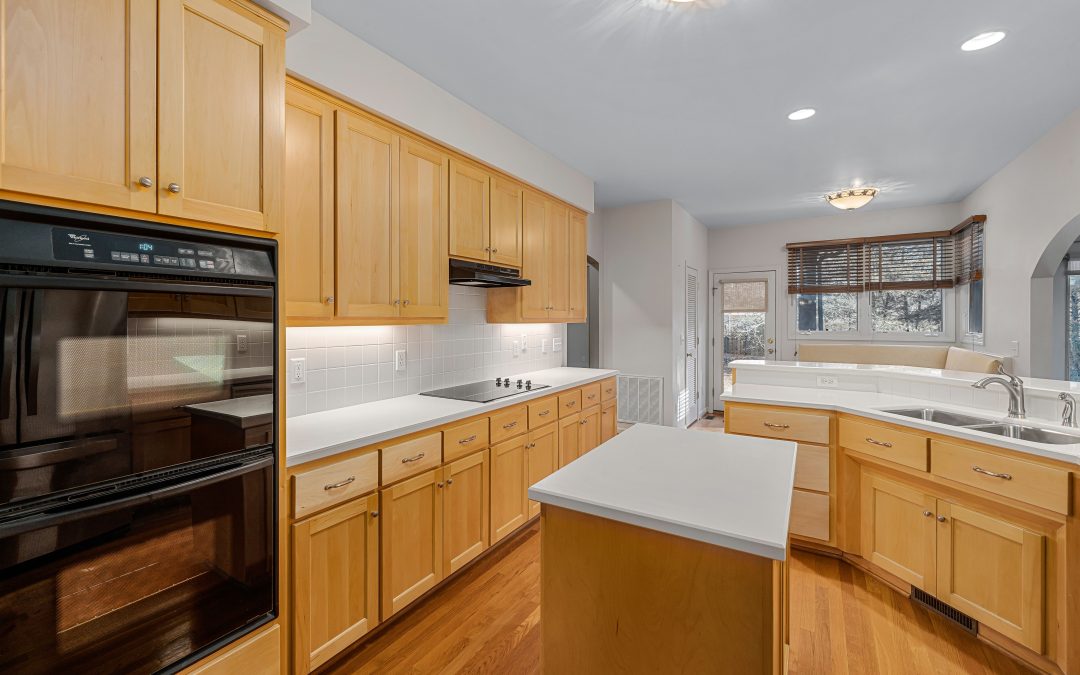
Introduction: Why Cabinets Make or Break Your Kitchen
The kitchen is often called the heart of the home, and for good reason. It is where meals are prepared, conversations happen, and daily routines begin and end. But if there is one element that defines both the look and usability of a kitchen, it is the cabinets.
That is why understanding how to choose custom kitchen cabinets is so important. Cabinets are not just storage units. They shape your kitchen layout, influence your workflow, and set the overall design tone of the space.
In this guide, we will break down practical steps to help you make smart decisions so your kitchen is both beautiful and highly functional.
Start with Your Kitchen Layout and Space
Before choosing styles or finishes, you need to understand your kitchen’s layout.
Ask yourself:
- Is my kitchen open plan or closed?
- Do I have a small, medium, or large space?
- Where are my main cooking and prep areas?
- How much storage do I actually need?
Custom cabinets work best when they are designed around your space instead of forcing your space to fit standard sizes.
This is the foundation of how to choose custom kitchen cabinets because everything else depends on how well the layout is planned.
Define Your Storage Needs Clearly
A common mistake homeowners make is focusing only on appearance instead of function.
Think about what you actually store:
- Pots and pans
- Dry food and groceries
- Small appliances like blenders or toasters
- Cutlery and utensils
- Cleaning supplies
Custom cabinets give you the advantage of designing storage that fits your lifestyle.
Popular storage solutions include:
- Deep drawers for pots and pans
- Pull-out shelves for easy access
- Vertical dividers for baking trays
- Hidden spice racks
- Corner storage systems
Good storage planning is a key part of how to choose custom kitchen cabinets that truly improve daily life.
Choose the Right Cabinet Material
Material choice affects durability, appearance, and long-term value.
Common options include:
- Solid wood for a classic and durable look
- Plywood for strength and moisture resistance
- MDF for a smooth painted finish
- Laminate for affordability and easy maintenance
According to the National Kitchen and Bath Association (NKBA), material selection is one of the top three factors influencing cabinet lifespan and performance in modern kitchens.
Choosing the right material is essential when learning how to choose custom kitchen cabinets that last for years.
Focus on Style and Design Consistency
Your cabinets should match the overall design of your home.
Popular styles include:
- Modern flat-panel cabinets for a clean look
- Shaker-style cabinets for a timeless feel
- Traditional raised-panel designs for a classic kitchen
- Minimalist handleless designs for a sleek appearance
To maintain visual balance, try to match cabinet style with flooring, countertops, and wall colors.
Design consistency is a major part of how to choose custom kitchen cabinets that feel professionally designed.
Select Colors That Enhance Your Space
Color plays a huge role in how your kitchen feels.
General guidelines:
- Light colors make small kitchens feel larger
- Dark colors create a rich, elegant atmosphere
- Neutral tones offer long-term flexibility
- Two-tone cabinets add depth and contrast
Always consider natural light when selecting colors, because lighting can significantly change how shades appear throughout the day.
Pay Attention to Hardware and Finishing Details
Handles, knobs, and finishes may seem small, but they have a big impact on usability and style.
Options include:
- Stainless steel for modern durability
- Brass or gold for a warm luxury feel
- Matte black for a contemporary look
- Wooden handles for a natural aesthetic
Finishing details help complete the overall design and are an important part of how to choose custom kitchen cabinets that feel polished.
Think About Functionality and Workflow
A well-designed kitchen should make cooking easier, not harder.
Consider the “kitchen work triangle” concept, which connects:
- The stove
- The sink
- The refrigerator
Efficient cabinet placement around this triangle improves movement and reduces unnecessary steps while cooking.
Functional design is often what separates a good kitchen from a great one.
Don’t Ignore Quality Hardware and Hinges
Cabinet doors and drawers are used multiple times every day, so hardware quality matters.
Look for:
- Soft-close hinges
- Heavy-duty drawer slides
- Rust-resistant materials
- Strong mounting systems
High-quality hardware increases durability and reduces maintenance over time.
Set a Realistic Budget Before You Start
Custom cabinets can vary widely in cost depending on materials, size, and design complexity.
Your budget should include:
- Materials
- Installation costs
- Hardware and accessories
- Design consultation fees if needed
A well-planned budget is a key part of how to choose custom kitchen cabinets without overspending or compromising on quality.
Avoid Common Mistakes When Choosing Cabinets
Many homeowners make avoidable errors during the selection process.
Avoid:
- Choosing style over functionality
- Ignoring kitchen measurements
- Overloading storage with unnecessary features
- Using low-quality materials to save money short term
- Skipping professional installation
These mistakes can reduce both performance and lifespan of your cabinets.
Real Example: Function vs Design Balance
Imagine two kitchens:
- Kitchen A has beautiful cabinets but poor storage planning
- Kitchen B has well-planned custom cabinets designed for daily use
After a few months:
- Kitchen A feels cluttered and inconvenient
- Kitchen B remains organized and easy to use
This shows why how to choose custom kitchen cabinets is not just about looks but also about practicality.
Conclusion: Build a Kitchen That Works for You
Choosing the right cabinets is one of the most important decisions in any kitchen renovation. When you understand how to choose custom kitchen cabinets, you create a space that is not only visually appealing but also highly functional and efficient.
The best kitchens are built on thoughtful planning, smart storage, and long-term quality choices. When all these elements come together, your kitchen becomes a space you genuinely enjoy using every day.