
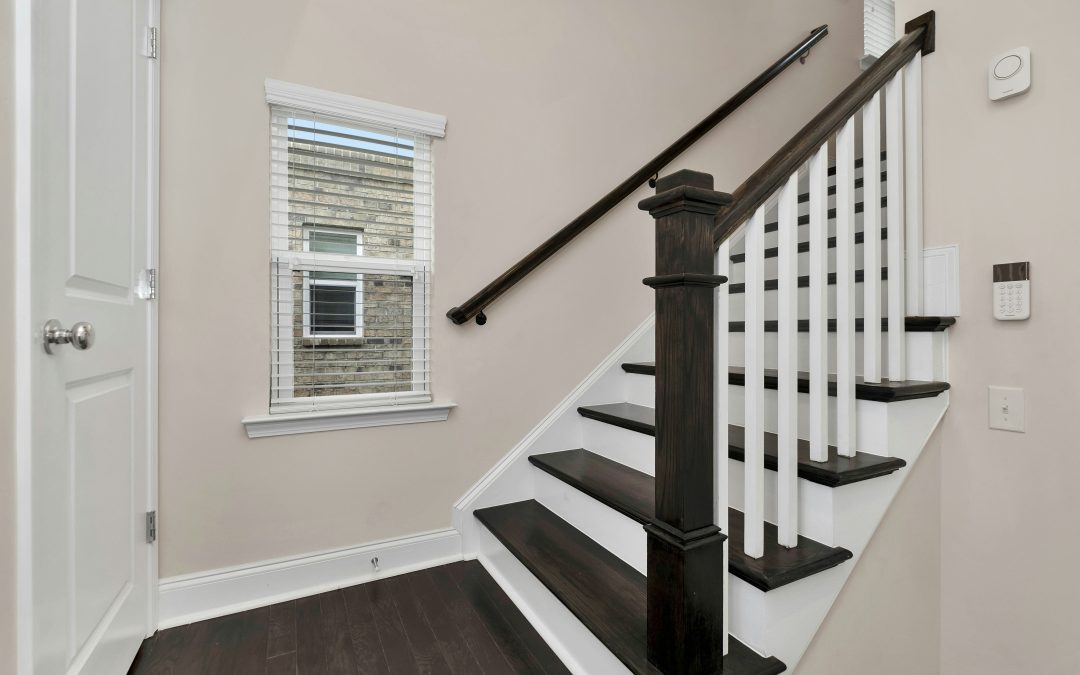
Looking to upgrade your space with a clean, modern look? The kind of trim you choose makes a big difference. Whether you’re refreshing a room or designing your dream home from scratch, picking the best trim materials for modern homes can transform plain walls into polished perfection.
Trim might seem like a small detail, but it frames every room, highlights your style, and even boosts property value. In this article, we’ll walk through the top trim materials that suit modern aesthetics, are easy to maintain, and last for years.
Let’s break down what’s out there so you can make the smartest pick for your home.
Why Trim Matters in Modern Interior Design
Trim, or molding, is more than just decorative. In modern homes, it’s used to:
- Define clean lines and edges
- Create contrast with walls and floors
- Hide imperfections like wall gaps or uneven transitions
- Protect drywall from dings and damage
According to the National Association of Home Builders, homeowners are increasingly leaning toward minimalist trim styles that reflect contemporary tastes—think sleek baseboards, subtle crown molding, and sharp door casings.
When done right, trim becomes an architectural feature rather than an afterthought.
Medium-Density Fiberboard (MDF)
MDF is one of the most popular trim choices for modern homes—and for good reason. It’s affordable, smooth, and easy to paint.
Why it works:
- Perfect for sleek, flat profiles common in modern interiors
- No wood grain, which gives a cleaner, more uniform finish
- Easy to cut and install
Consider this: MDF is not the best choice in damp areas like bathrooms or basements. It can swell if exposed to moisture, so keep that in mind if you’re remodeling those rooms.
Finger-Jointed Pine
This material blends affordability with real wood qualities. It’s made by joining small pieces of pine wood together and is usually pre-primed.
Why it’s great:
- Looks like solid wood but costs less
- Takes paint beautifully
- Smooth and consistent finish
You get the charm of wood without breaking your budget. Plus, if you’re aiming for a cozy-modern blend (like Scandinavian or Japandi styles), finger-jointed pine offers that warmth with clean lines.
Solid Wood (Poplar, Oak, or Maple)
If you love natural textures or are designing a high-end modern home, solid wood trim could be the right fit. It’s especially popular in custom homes or where stain-grade trim is preferred.
What makes it shine:
- Strong, long-lasting, and ideal for staining
- Adds a luxurious, natural element to minimalist spaces
- Great for window and door casings
Poplar is commonly used because it’s smooth, easy to work with, and cost-effective compared to oak or maple. Oak, on the other hand, brings in grain and depth that pairs beautifully with neutral walls and open floor plans.
PVC Trim
For areas that need durability and moisture resistance—like kitchens, bathrooms, or laundry rooms—PVC trim is a smart choice.
Benefits include:
- Completely waterproof
- Will not rot or mold
- Can be painted or left white for a crisp, clean look
PVC might not offer the richness of wood, but it’s perfect for minimalist spaces that prioritize function. It’s also a great low-maintenance option for busy families.
Polyurethane Trim
If you want something lightweight, easy to install, and resistant to warping, polyurethane is worth considering. It’s gaining popularity in modern renovations.
Why homeowners like it:
- Easy to install with adhesives or nails
- Ideal for curved or custom profiles
- Can mimic wood or plaster finishes
Though slightly more expensive than MDF or finger-jointed pine, polyurethane is a favorite for unique ceiling trims or contemporary paneling where moisture and movement might be a concern.
How to Choose the Right Trim Material for Your Space
Here’s a quick checklist to help you decide:
Ask yourself:
- Do I want a painted or stained finish?
- Is this room exposed to moisture?
- What’s my budget for materials and labor?
- Am I going for a super sleek look or adding subtle texture?
Pro tip: When in doubt, bring a few sample trims home. Place them against your walls and floors to see how they work with your lighting, paint, and overall aesthetic.
A Final Word on Trim for Modern Homes
Choosing the best trim materials for modern homes means thinking beyond looks. Durability, ease of maintenance, and how well it fits your lifestyle all matter. Whether you go with MDF for a budget-friendly refresh, solid wood for a natural upgrade, or PVC for moisture-prone spaces, trim is a small detail that delivers a big impact.
Take your time exploring the options, and don’t be afraid to mix materials in different rooms if it makes sense. In the end, good trim doesn’t just finish a room—it elevates it.
Want more tips on modern home upgrades or design-friendly DIYs? Keep exploring topics like this and turn every corner of your home into something you’ll love living in.