
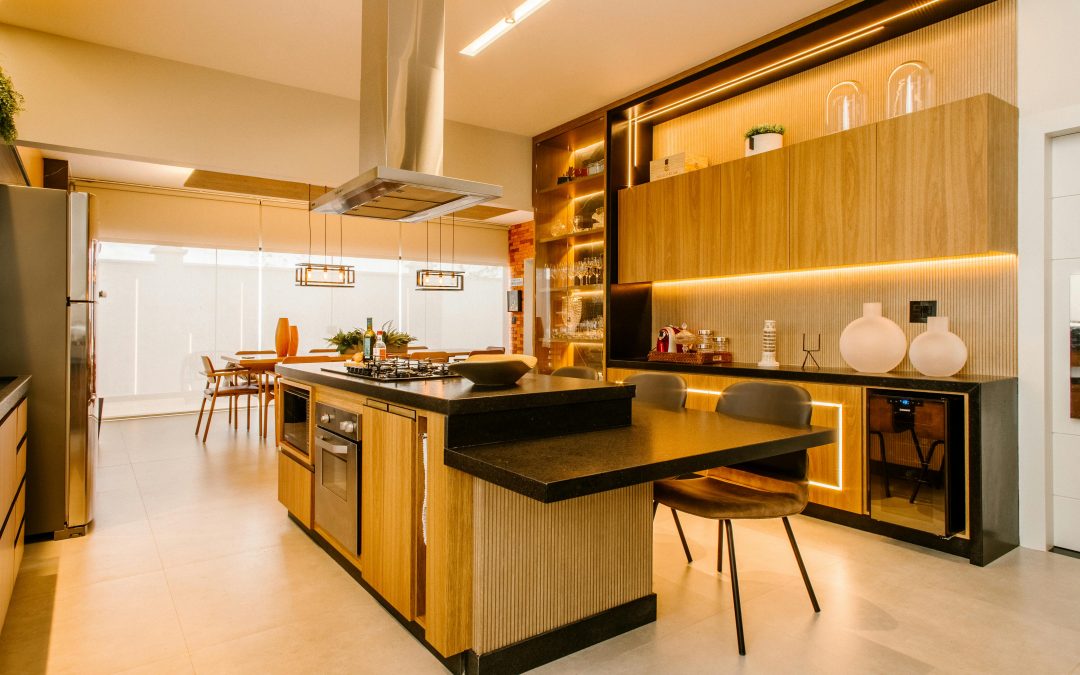
Choosing cabinets is one of the most important decisions in any kitchen or bathroom project. Cabinets are not just storage. They define the look of the room and handle daily wear for years. This is why so many homeowners ask the same question early on. What is the best wood for cabinets?
The answer depends on how you use your space, the style you love, and how much maintenance you want. Let us walk through the most common cabinet woods in a simple and friendly way so you can feel confident about your choice.
Why Wood Choice Matters More Than You Think
Cabinet wood affects durability, appearance, cost, and even resale value. Some woods handle moisture better, while others shine in painted finishes or natural stains.
According to the National Kitchen and Bath Association, cabinetry accounts for up to 40 percent of the visual impact of a kitchen. That means your wood choice shapes how the entire room feels.
Understanding wood types helps you balance beauty and practicality instead of choosing based on looks alone.
Hardwood Versus Engineered Wood Basics
Before diving into specific species, it helps to understand the difference between hardwood and engineered wood.
Hardwood comes from solid lumber and offers natural grain patterns and long term durability. Engineered wood includes materials like plywood and MDF, which are often used for cabinet boxes because they resist warping.
Many high quality cabinets combine both. Solid wood doors paired with engineered cabinet boxes create strength and stability without unnecessary cost.
Maple as a Reliable All Around Choice
Maple is one of the most popular cabinet woods for good reason. It is strong, smooth, and versatile.
Maple works well because:
- It resists dents and scratches
- It has a subtle grain that suits modern and classic styles
- It accepts paint and light stains evenly
Because of its durability, maple is often recommended for busy kitchens. Many homeowners consider it the best wood for cabinets when they want a clean and timeless look.
Oak for Texture and Strength
Oak cabinets are known for their bold grain and long lasting performance. There are two main types, red oak and white oak.
Oak stands out because:
- It is very durable
- It adds warmth and character
- It hides minor wear well due to grain texture
White oak has gained popularity in recent years thanks to its softer grain and neutral tone. Designers often use it in contemporary and transitional kitchens.
Cherry for Rich Color and Elegance
Cherry wood offers a smooth texture and rich tone that deepens with age. This natural darkening is one of its most admired qualities.
Cherry cabinets are often chosen for:
- Traditional or formal kitchens
- Warm and elegant spaces
- Natural finishes rather than paint
The Forest Products Laboratory notes that cherry wood darkens naturally with light exposure, creating depth over time. If you enjoy materials that evolve, cherry may be worth considering.
Hickory for Bold and Rustic Appeal
Hickory is one of the hardest domestic woods used in cabinetry. It has dramatic color variation and strong grain patterns.
Hickory works best in:
- Rustic or farmhouse kitchens
- Homes with heavy daily use
- Spaces where natural variation is appreciated
Because of its bold appearance, hickory is not for everyone. However, its strength makes it a practical option for long term durability.
Birch as a Budget Friendly Alternative
Birch is often used as a more affordable substitute for maple. It has a fine grain and similar appearance but reacts differently to stain.
Birch cabinets:
- Are strong for their price
- Work well with painted finishes
- Can appear blotchy with dark stains if not treated properly
With proper finishing, birch offers good value without sacrificing durability.
Walnut for a Premium Look
Walnut is prized for its deep color and smooth grain. It creates a sophisticated and modern feel.
Walnut is ideal for:
- High end kitchens
- Statement cabinetry
- Minimalist designs
Because it is more expensive, walnut is often used selectively, such as for islands or accent cabinets.
Painted Cabinets and Wood Selection
If you plan to paint your cabinets, wood choice still matters. Some woods show grain through paint more than others.
Best woods for painted cabinets include:
- Maple
- Birch
- MDF for door panels
Smooth surfaces result in cleaner paint finishes that hold up over time.
Moisture and Climate Considerations
Kitchens and bathrooms experience temperature changes and humidity. Stable woods and engineered cabinet boxes help reduce warping.
The best wood for cabinets in humid environments is often paired with plywood boxes for added stability. This combination improves cabinet lifespan significantly.
Sustainability and Responsible Sourcing
More homeowners now consider environmental impact. Look for woods certified by organizations like the Forest Stewardship Council. These certifications indicate responsible forest management and sustainable harvesting.
Sustainable choices protect forests while still delivering quality materials.
How to Match Wood to Your Lifestyle
Choosing wood is not just about design. It is about how you live.
Ask yourself:
- How busy is your kitchen
- Do you prefer natural aging or uniform appearance
- Are you planning to paint now or later
The best wood for cabinets is the one that fits your habits as well as your taste.
A Simple Takeaway for Confident Choices
Cabinet wood sets the foundation for both style and performance. Maple offers versatility, oak adds character, cherry brings warmth, and walnut creates luxury. Each option has strengths when used thoughtfully.
Take time to compare samples, ask questions, and think long term. When you choose the best wood for cabinets based on function and design together, your space feels right from the start and stays that way for years.